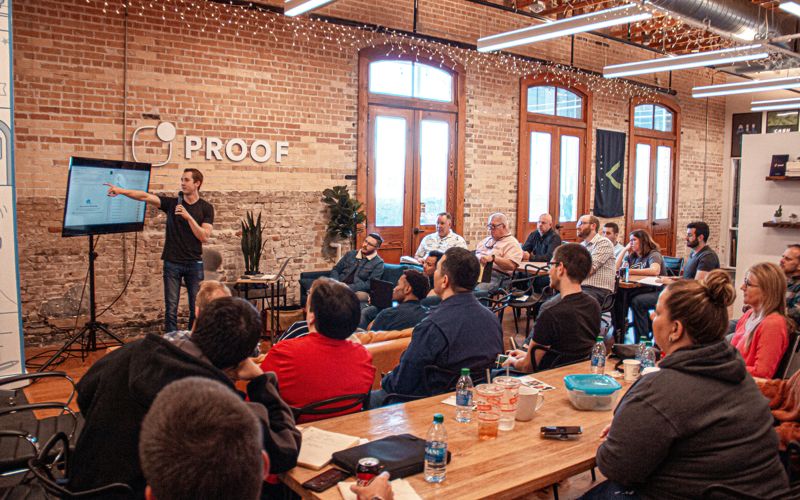
In many projects, change management is reduced to a training schedule a few weeks before go-live. Users attend a session, receive a user guide and are expected to change the way they have worked for years. Unsurprisingly, many fall back into old habits.
Start with the why
People change when they understand why it matters to them and to the organisation. Leaders should explain clearly what problem the new tool solves, what will improve for customers and teams, and what will be expected. This story needs repeating, well before training starts.
Build a network of champions
Champions are respected users in each team who are involved early, test the solution and support colleagues after go-live. They bring a credibility no project team can match, and they bring back feedback from the field.
Train in context
Training works best when it follows real scenarios from daily work, uses realistic data and happens close to go-live. Short, role-specific sessions followed by on-the-job support in the first weeks are more effective than long generic courses.
Listen and adjust quickly
The first weeks after go-live are decisive. Set up simple channels for questions and feedback, react visibly to recurring issues and communicate the improvements made. When users see their feedback turn into changes, trust grows.
Lead by example
Finally, managers need to use the tool themselves. When team meetings, reviews and decisions rely on the new system, it becomes part of how work gets done. When they don't, no training plan will compensate.